
Shop 1, Chaitanya CHS , MHB Colony, Indira Nagar, Koliwada, Sion, Mumbai, Maharashtra 400022
contact us

Recent cyber-attack patterns in 2026

Recent Cyber Attack Patterns: Trends, Techniques, and Defense Strategies (2025–2026)

Introduction

The cybersecurity landscape is evolving at an unprecedented pace. With rapid digital transformation, cloud adoption, and AI integration, cybercriminals are continuously refining their attack methods. Organizations today face more sophisticated, targeted, and automated threats than ever before.

This article explores the latest cyber-attack patterns, emerging trends, and actionable strategies to strengthen organizational security.


1. Rise of AI-Powered Cyber Attacks

Attackers are increasingly leveraging artificial intelligence to:

  • Automate phishing campaigns
  • Generate realistic deepfake content
  • Bypass traditional security systems

Example: AI-generated emails now mimic writing styles of executives, making phishing attacks highly convincing.

Impact:

  • Increased success rate of social engineering attacks
  • Faster execution of large-scale attacks

2. Advanced Phishing and Social Engineering

  • Phishing attacks have evolved beyond simple emails:
  • Spear phishing (targeted individuals)
  • Business Email Compromise (BEC)
  • Voice phishing (vishing) using AI

Recent Pattern:
Attackers impersonate HR or finance departments to trick employees into sharing sensitive data or transferring funds.

Defence Tip:

  • Implement multi-factor authentication (MFA)
  • Conduct regular employee awareness training

3. Ransomware-as-a-Service (RaaS)

Ransomware attacks are no longer limited to skilled hackers. With RaaS:

  • Attack tools are sold on the dark web
  • Even non-technical attackers can launch attacks

Recent Trend:

  • Double extortion (data encryption + data leak threats)
  • Targeting healthcare, finance, and SMEs

Impact:

  • Financial loss
  • Reputational damage
  • Operational disruption

4. Supply Chain Attacks

Attackers target third-party vendors to compromise larger organizations.

How it works:

  • Inject malicious code into trusted software updates
  • Exploit weak vendor security

Example Pattern:

Attacks on software dependencies and open-source libraries

Defense Strategy:

  • Conduct vendor risk assessments
  • Use zero-trust architecture

5. Cloud Security Exploitation

With increased cloud adoption, misconfigurations have become a major risk:

  • Publicly exposed databases
  • Weak access controls
  • Insecure APIs

Recent Pattern:
Attackers scan cloud environments for misconfigured storage (e.g., open buckets).

Prevention:

  • Regular cloud security audits
  • Strong identity and access management (IAM)

6. Zero-Day Vulnerability Exploits

Zero-day attacks exploit unknown software vulnerabilities before patches are available.

Trend:

  • Increased targeting of widely used applications
  • Rapid weaponization of vulnerabilities

Defence Tip:

  • Use endpoint detection and response (EDR)
  • Apply patches and updates immediately

7. IoT and Smart Device Attacks

The growth of IoT devices has expanded the attack surface:

  • Smart cameras, routers, and home devices
  • Industrial IoT systems

Recent Pattern:
Botnets using IoT devices for DDoS attacks.

Solution:

  • Change default passwords
  • Regular firmware updates

8. Credential Stuffing and Password Attacks

Attackers use stolen credentials from data breaches to access accounts.

Techniques:

  • Automated login attempts
  • Use of leaked password databases

Defence:

  • Enforce strong password policies
  • Implement MFA

9. Insider Threats

Not all threats come from outside:

  • Malicious insiders
  • Negligent employees

Pattern:
Data leaks due to unauthorized access or accidental sharing.

Mitigation:

  • Monitor user activity
  • Apply least privilege access

10. Distributed Denial-of-Service (DDoS) Attacks

DDoS attacks aim to overwhelm systems and disrupt services.

Recent Trend:

  • Larger and more frequent attacks
  • Use of botnets and cloud infrastructure

Protection:

  • Use DDoS mitigation services
  • Deploy traffic filtering solutions

Key Cybersecurity Strategies for 2026

To defend against modern cyber threats, organizations should adopt:

1. Zero Trust Security Model

  • Never trust, always verify
  • Continuous authentication

2. Security Awareness Training

  • Educate employees regularly
  • Simulate phishing attacks

3. Regular Vulnerability Assessments

  • Conduct penetration testing
  • Patch vulnerabilities quickly

4. Multi-Layered Security Approach

  • Firewalls + EDR + SIEM
  • Network segmentation

5. Incident Response Planning

  • Prepare for breaches
  • Ensure quick recovery

Conclusion

Cyber-attack patterns are becoming more complex, automated, and targeted. Organizations must stay proactive by adopting modern security frameworks, investing in employee training, and continuously monitoring their systems.

Cybersecurity is no longer optional—it is a critical business requirement.
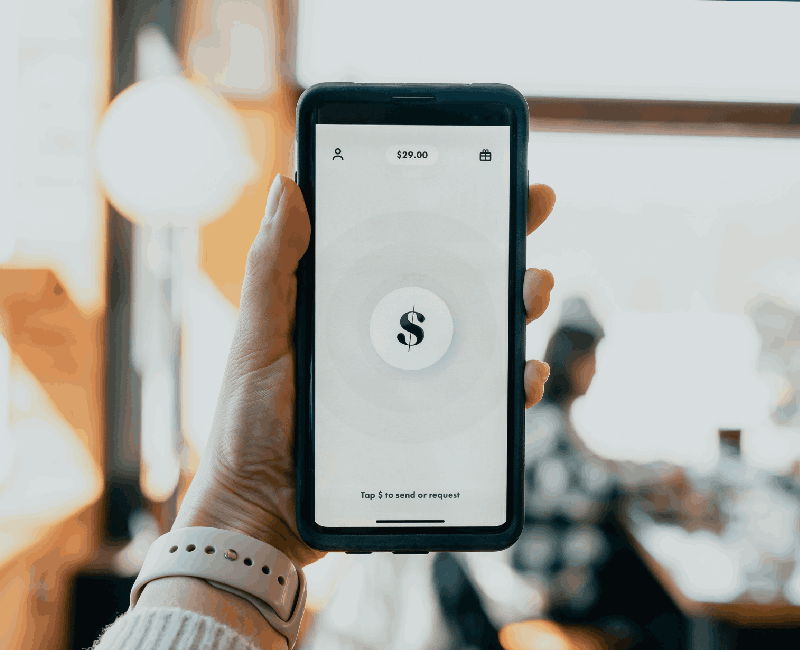
Mobile Security Threats

Mobile Security Threats

Understanding Attacks on Android & iOS


Introduction

In today’s digital era, smartphones have become an essential part of our personal and professional lives. From banking and communication to business operations, mobile devices store highly sensitive data.

However, with this growing dependency comes increased risk. Cybercriminals are actively targeting mobile platforms, making both Android and iOS users vulnerable to various cyber threats.


Why Mobile Devices Are Targeted

Mobile devices contain:

  • Financial and banking information
  • Personal and professional data
  • Login credentials and authentication details

This makes them a high-value target for attackers


Common Types of Mobile Attacks


1. Malware Attacks

Malicious applications can:

  • Steal sensitive data
  • Track user behavior
  • Display intrusive ads

Note: Android devices are more exposed due to third-party app installations.


2. Phishing & Smishing

Attackers use:

  • Fake emails (Phishing)
  • Fraudulent SMS (Smishing)

Objective: Trick users into revealing passwords, OTPs, or financial details.


3. Spyware & Stalker ware

These programs secretly:

  • Monitor calls and messages
  • Track location
  • Record user activity

Often installed without user awareness.


4. Man-in-the-Middle (MITM) Attacks

Common on public Wi-Fi networks:

  • Attackers intercept communication
  • Sensitive data gets exposed

5. Application-Based Threats

Fake or modified applications:

  • Mimic legitimate apps
  • Contain hidden malicious code

6. OS Vulnerability Exploits

Outdated operating systems:

  • Contain security loopholes
  • Allow attackers to gain unauthorized access

Android vs iOS: Security Overview

🔸 Android

  • Open ecosystem
  • Flexible app installation

Risk: Higher exposure to malware and unverified apps


🔸 iOS

  • Closed ecosystem
  • Strict app store policies

Risk: Still vulnerable to advanced and zero-day attacks


Potential Impact of Mobile Attacks

  • Financial loss
  • Identity theft
  • Data breaches
  • Privacy violations

Even a single attack can have serious consequences.


Best Practices for Mobile Security

To protect your device and data:

✔ Install applications only from trusted sources
✔ Regularly update your operating system
✔ Use strong and unique passwords
✔ Avoid connecting to unsecured public Wi-Fi
✔ Enable multi-factor authentication (MFA)
✔ Stay alert to suspicious emails and messages
✔ Use reliable mobile security solutions


Conclusion

While both Android and iOS offer built-in security features, no system is completely immune to cyber threats. The key to mobile security lies in user awareness, proactive measures, and safe digital behavior.

At the end of the day, security is not just about technology — it’s about informed usage.

GPT in SOC (Security Operations Centre)

Role of GPT in SOC (Security Operations Centre) in Cyber security

Introduction

In today’s rapidly evolving threat landscape, Security Operations Centres (SOCs) are under constant pressure to detect, analyse, and respond to cyber threats in real time. Traditional security tools often struggle to keep up with the volume and complexity of modern attacks. This is where Generative Pre-trained Transformers (GPT) are transforming SOC operations.

GPT, an advanced AI model, is increasingly being integrated into cybersecurity workflows to enhance efficiency, automate repetitive tasks, and improve decision-making.


What is GPT in Cybersecurity?

GPT (Generative Pre-trained Transformer) is an AI model designed to understand and generate human-like text. In cybersecurity, GPT is used to:

  • Analyse security logs and alerts
  • Automate threat intelligence reporting
  • Assist in incident investigation
  • Provide real-time recommendations to analysts

It acts as an intelligent assistant for SOC teams, reducing manual workload and improving response speed.


Key Applications of GPT in SOC


1. Alert Triage and Prioritization

SOC analysts deal with thousands of alerts daily. GPT can:

  • Analyse alerts quickly
  • Filter false positives
  • Prioritize critical threats

This helps analysts focus on real incidents instead of noise.


2. Threat Intelligence Analysis

GPT can gather and summarize threat intelligence from multiple sources such as:

  • Security blogs
  • Dark web data
  • Threat feeds

It converts complex data into easy-to-understand insights.


3. Incident Response Automation

GPT assists in:

  • Suggesting response actions
  • Generating incident reports
  • Recommending mitigation steps

This reduces response time and improves accuracy.


4. Log Analysis and Correlation

GPT can analyse large volumes of logs and:

  • Identify suspicious patterns
  • Correlate events across systems
  • Detect anomalies

This improves threat detection capabilities.


5. Playbook Generation

GPT can automatically create:

  • Incident response playbooks
  • SOPs (Standard Operating Procedures)
  • Runbooks for common threats

This standardizes SOC operations.


6. Analyst Support and Training

GPT acts as a virtual assistant by:

  • Answering analyst queries
  • Explaining complex threats
  • Helping junior analysts learn faster

Benefits of Using GPT in SOC

Increased Efficiency – Automates repetitive tasks

Faster Response Time – Reduces detection and response delays

Improved Accuracy – Minimizes human error

Scalability – Handles large volumes of data

Cost Reduction – Reduces operational overhead


Challenges and Risks

While GPT offers many advantages, there are some challenges:

Data Privacy Concerns – Sensitive data must be protected

Model Hallucination – AI may generate incorrect information

Dependence on AI – Over-reliance can reduce human oversight

Integration Issues – Requires proper setup with SOC tools


Best Practices for Implementing GPT in SOC

  • Use GPT alongside human analysts (not as a replacement)
  • Integrate with SIEM and SOAR platforms
  • Regularly validate AI-generated outputs
  • Ensure strong data security and compliance
  • Train staff to use AI effectively

Future of GPT in SOC

The future of GPT in cybersecurity looks promising. With advancements in AI:

  • SOCs will become more automated
  • Threat detection will become predictive
  • AI-driven SOCs will reduce response time to seconds
  • GPT will play a crucial role in building next-generation intelligent SOCs.

Conclusion

GPT is revolutionizing the way Security Operations Centres function. By automating analysis, enhancing threat detection, and assisting analysts, GPT enables SOC teams to stay ahead of cyber threats. However, it should be used responsibly with proper human oversight.

The combination of AI intelligence + human expertise is the key to a strong cybersecurity defence.